
Getting tattooed is permanent. Healing it properly determines how it looks for life.
If you’re searching for the best tattoo healing ointment, you’re likely in one of two situations: you just got fresh ink, or you want to protect an existing tattoo from fading. Either way, the right aftercare product makes a measurable difference in healing time, color retention, and overall skin recovery.
Below, we break down what to look for in a professional tattoo aftercare ointment — and why quality matters.
Why Tattoo Aftercare Is Critical
A fresh tattoo is essentially a controlled wound. During the first few weeks, your skin works aggressively to repair itself. Without proper hydration and protection, however, several issues can occur:
-
Excessive dryness and cracking
-
Loss of pigment
-
Increased irritation
-
Prolonged healing time
-
Uneven texture
Therefore, choosing a high-quality tattoo healing ointment is not optional — it is essential.

THORNFOXX
What Makes the Best Tattoo Healing Ointment?
Not all tattoo aftercare products are formulated equally. While some rely on heavy petroleum bases, others are engineered to support balanced healing without clogging pores.
When evaluating a tattoo healing ointment, look for:
-
Lightweight, breathable texture
-
Moisture-locking support
-
Non-petroleum formula
-
Vegan and cruelty-free standards
-
Clean ingredients (no parabens or phthalates)
-
Studio-trusted performance
Additionally, the product should absorb smoothly without leaving excessive buildup. Overly greasy formulas can suffocate healing skin and delay recovery.
How Tattoo Healing Ointment Protects Vibrant Ink
Proper hydration plays a direct role in pigment retention. When skin becomes overly dry, it can crack and pull at settling ink. As a result, color may appear dull or uneven.
A professional tattoo aftercare ointment helps:
-
Lock in essential moisture
-
Reduce irritation and flaking
-
Support smooth skin regeneration
-
Preserve bold saturation
-
Maintain sharp linework
Consistent application during the healing phase — and continued daily care afterward — helps protect your tattoo for years.



When to Start Using Tattoo Healing Ointment
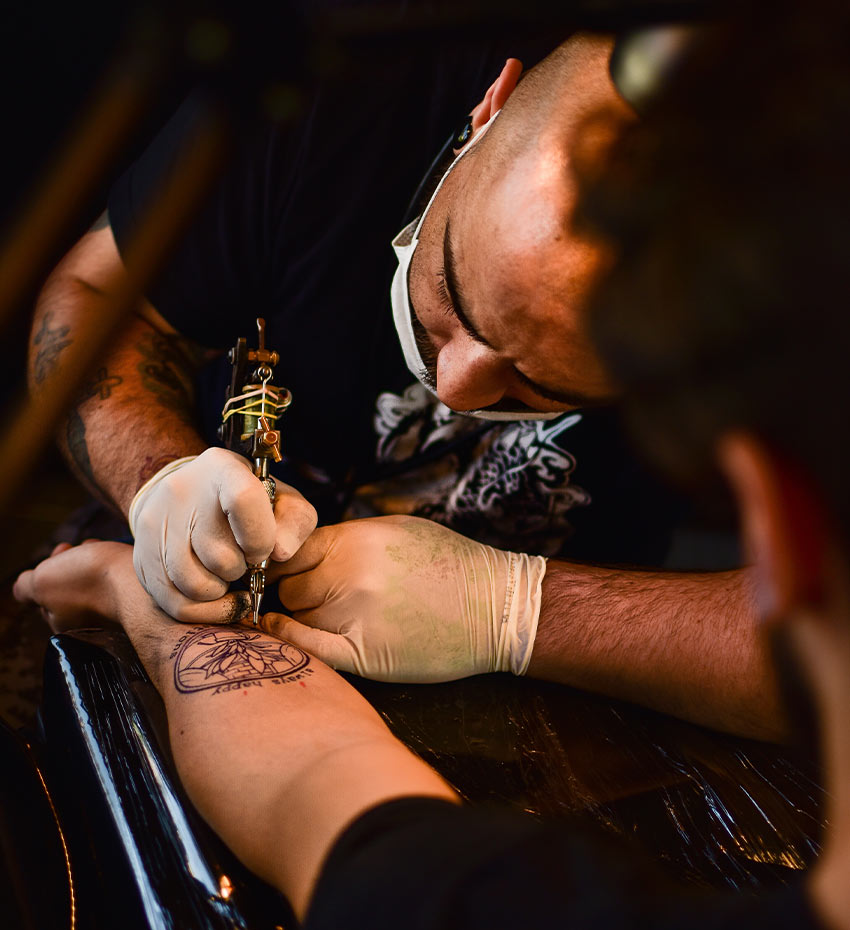
Most artists recommend beginning aftercare immediately after removing your protective wrap. During the first 2–4 weeks, apply a thin layer multiple times per day, depending on dryness levels.
However, healing does not stop at four weeks. In fact, deeper layers of skin continue regenerating for months. Because of this, daily hydration remains important long after the surface appears healed.
Choosing Professional-Grade Tattoo Aftercare
If you are serious about preserving your artwork, professional-grade aftercare is worth the investment.
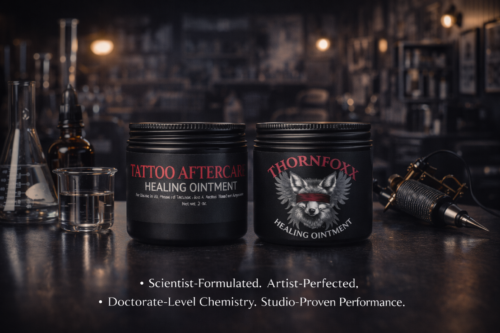
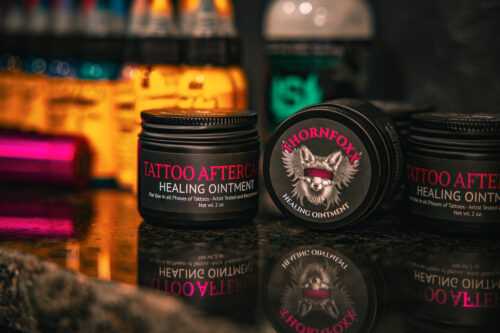
Thornfoxx Luxury Tattoo Healing Ointment is engineered to support fast recovery while protecting depth, contrast, and vibrance. Developed alongside professional artists, the formula is:
-
Non-petroleum
-
Vegan and cruelty-free
-
Free from parabens and phthalates
-
Lightweight yet deeply conditioning
-
Suitable for fresh and healed tattoos
Unlike heavy balms that sit on the surface, Thornfoxx absorbs evenly to maintain hydration without clogging pores or leaving residue.
Final Thoughts: Protect the Art
Searching for the best tattoo healing ointment means you care about how your tattoo heals — and how it ages.
The healing phase sets the foundation. Proper hydration, clean ingredients, and consistent care determine whether your ink stays bold or fades prematurely.
If you want uncompromising recovery and long-term vibrance, choose aftercare designed for serious art.