
The Ultimate Guide to Tattoo Aftercare
Proper tattoo aftercare determines how well your ink heals and how vibrant it looks years from now. While many people focus on the tattoo session itself, the real results are revealed during the healing process. Therefore, taking aftercare seriously is essential.
A fresh tattoo is technically an open wound. Because of this, your skin needs protection, hydration, and breathing room. Without the right care, colors may fade, lines can blur, and healing may take longer than expected.
Why Tattoo Aftercare Matters
During the first few days, your skin is inflamed and highly sensitive. As a result, what you apply directly affects the final outcome. In fact, improper care is one of the most common reasons tattoos heal poorly.
For example, using too much product can suffocate the skin. On the other hand, using too little can lead to dryness and cracking. The key is balance.
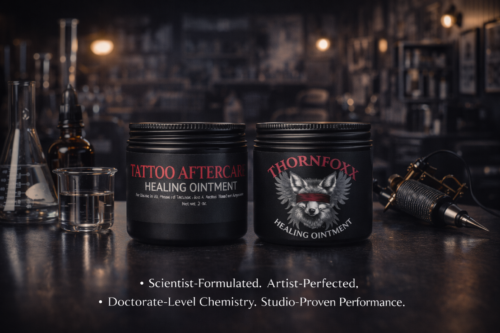
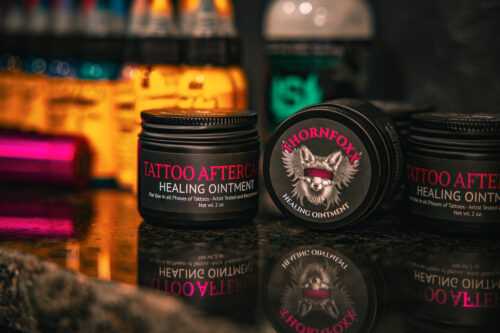
That’s where a high-quality tattoo healing ointment makes a difference. When applied correctly, it locks in moisture while still allowing oxygen to reach the skin.
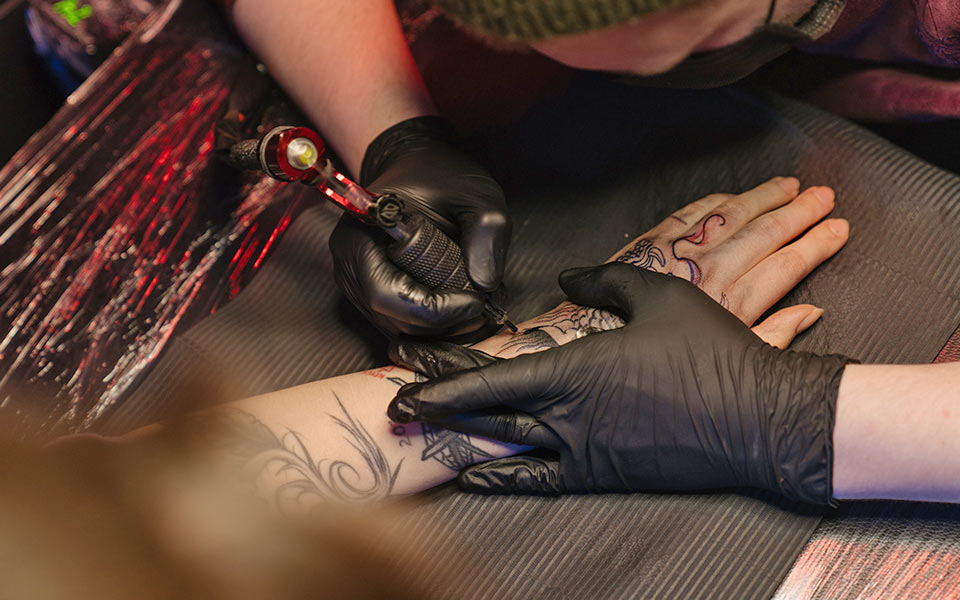
Understanding the Tattoo Healing Process
Healing happens in stages. Knowing what to expect helps you adjust your tattoo aftercare routine properly.
Days 1–3: Fresh and Sensitive
Initially, redness and swelling are completely normal. You may also notice light plasma or ink seepage. At this stage, apply a very thin layer of tattoo healing ointment to protect the area.
Days 4–10: Peeling and Itching
Next, the skin begins to flake. Although itching is common, scratching can damage the ink. Instead, continue applying a light layer of aftercare product as needed.
Days 10–21: Surface Recovery
Eventually, peeling slows down and the tattoo may look slightly dull. However, this is temporary. As the skin continues to regenerate, the color will brighten again.
Overall, full healing can take four to six weeks depending on placement and size.
How to Apply Tattoo Healing Ointment Correctly
First, wash your hands thoroughly.
Then, gently clean the tattoo using mild, fragrance-free soap.
After that, pat the area dry with a clean towel.
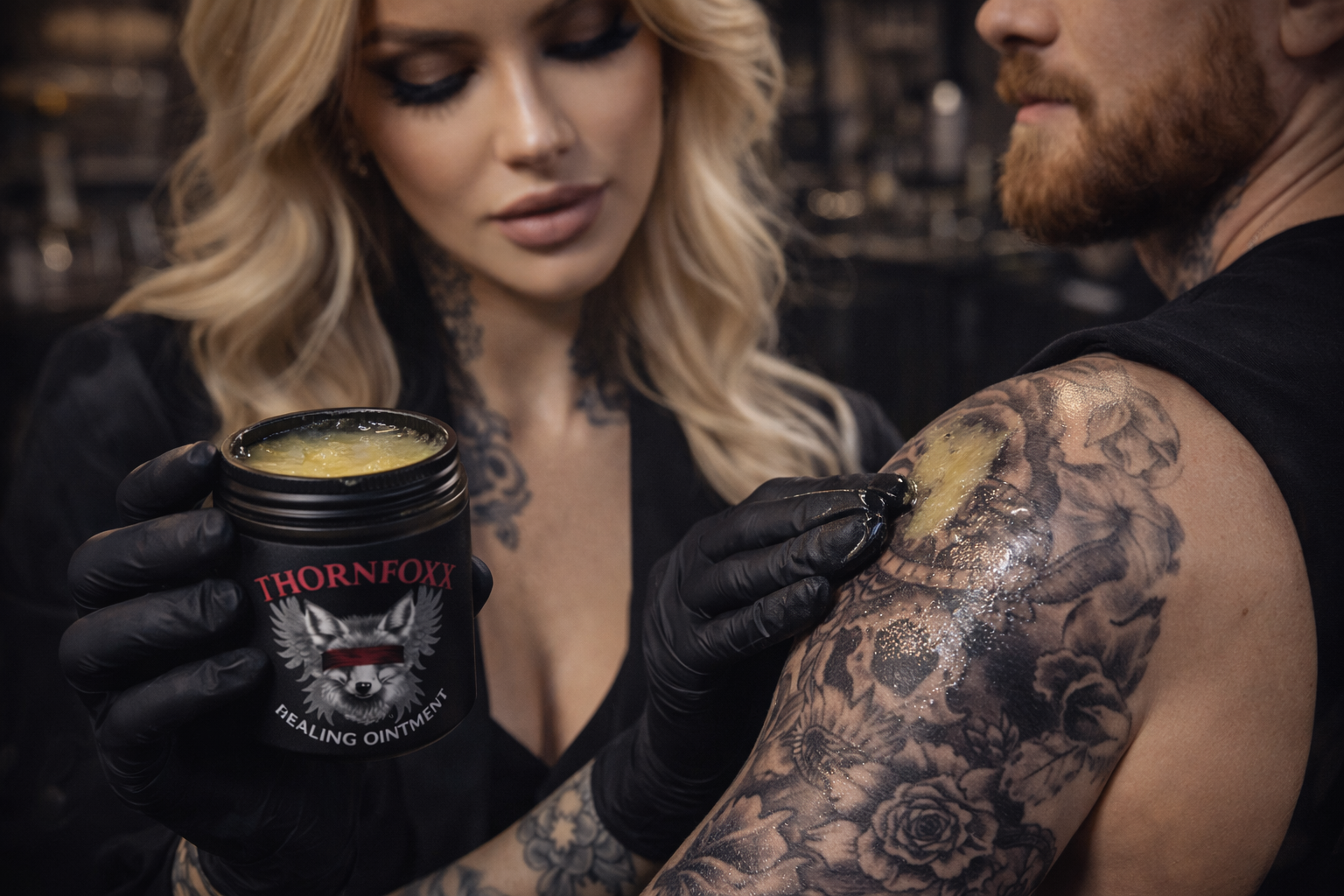
Once the skin is dry, apply a very thin layer of ointment. Remember, a little goes a long way. In fact, the product should lightly coat the surface rather than sit thick or greasy.
Finally, allow the tattoo to breathe. Over-application is one of the most common aftercare mistakes.
Common Tattoo Aftercare Mistakes
Many people unintentionally slow the healing process. For instance:
-
Applying too much ointment
-
Re-wrapping the tattoo unnecessarily
-
Soaking it in water
-
Exposing it to direct sunlight
-
Picking at peeling skin
Instead, stick to a simple and consistent tattoo aftercare routine. Consistency, after all, produces the best healed results.
Final Thoughts on Tattoo Aftercare
Ultimately, great tattoos require great care. Although the artwork is permanent, the healing phase determines how it settles into the skin.
By following proper tattoo aftercare and using a professional-grade healing ointment, you protect your investment and preserve every detail.
Because in the end, healing is part of the art.